

This space explores the metaphysical not as an escape from reality, but as a way of engaging with it more consciously. While the language here is shaped by ritual and symbolic traditions across cultures, the practice itself remains grounded and reflective. It is about introspection, awareness, and deepened self-connection.
Across the past weeks, we have explored why journaling matters, how it supports psychological healing, and how to begin without overwhelm. This final piece draws those threads together and turns inward. Here, journaling becomes ritual; not something added to life, but something that changes how we listen to it.
For me, this takes the form of a grimoire.
Journaling is no longer only a record of thoughts. It becomes a deliberate act, a quiet meeting with the self. Through time, space, and intention, writing shifts into something slower and more attentive. The page becomes both mirror and vessel, holding what arises and reflecting it back with honesty.
The Book of Shadows Within 🕯️
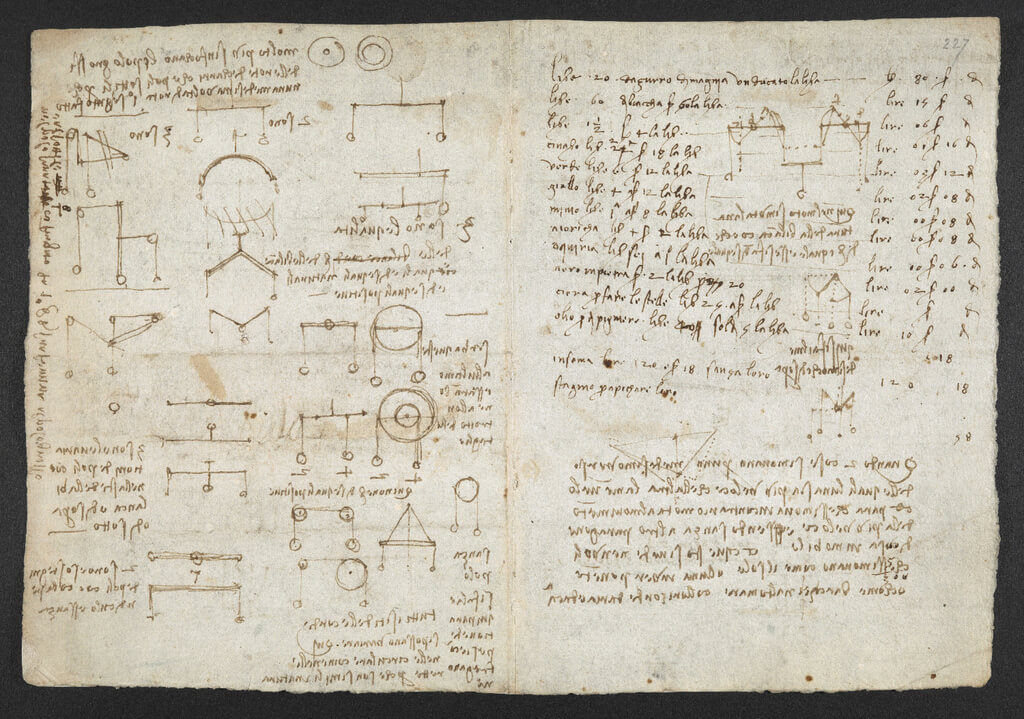
A grimoire is a living archive of practice; part journal, part textbook, part sacred witness.
Think of your journal as a personal grimoire, a Book of Shadows shaped by lived experience rather than inherited tradition. Unlike historical grimoires filled with spells or ceremonial rites, this is a record of reflection, emotion, and inner movement.
Each entry captures something subtle: a shift in mood, a recurring symbol, a question that refuses to leave. Over time, these entries form a map of the inner world. Writing itself becomes the ritual.
So what is the difference between a journal and a grimoire? A journal records life. A grimoire transforms that recording into ritual, reflection, and intentional self-discovery.
Ritual Components 🫐
Turning journaling into ritual does not require complexity. What matters is intention and presence.
1. Time
Choose moments that feel receptive. Dusk, early morning, or the quiet of a new moon often invite reflection, but any time that allows stillness will do. You may notice how certain phases of light, rest, or renewal naturally call for writing. By marking time through lunar phases and subtle seasonal shifts, the practice can move in gentle cycles, following rhythms of return and reawakening rather than a fixed routine.
2. Tools
A favourite pen, a candle, herbs, a stone, or a tarot card can help signal transition. These objects do not hold power on their own. They serve as anchors for attention and sources of symbolic inspiration. Tarot cards, for example, can be used not for prediction, but as prompts for imagery and insight.
3. Intention Setting
Begin with a single, simple sentence, spoken or written.
“I write to listen.”
“I write to notice.”
“I write to understand.”
This brief act sets the tone of the session, aligning your focus and gently opening the space for deliberation.

4. Space
Create a place where your journal belongs. Light a candle, burn incense, or simply sit in the same spot each time. Repetition builds a sense of safety and familiarity, allowing the mind to settle more easily.

Writing as Divination
In ritual journaling, writing becomes a way of listening rather than searching for answers. It is not about prediction, but about noticing what is already present.
The subconscious does not speak in clear arguments. It surfaces through images, emotions, fragments, and associations. When given space, these impressions begin to shape themselves on the page.
Patterns emerge quietly. Certain images return. A colour lingers. A phrase repeats itself without explanation. Meaning is not forced, but gathered over time.
The aim is not control, but attention. By staying with what appears and allowing it to unfold at its own pace, understanding arrives gently, often when it is least expected.
Closing the Circle
Bring each session to a quiet close. You might write a final line, offer an affirmation, or simply rest your hand on the page and breathe. Sit in the lingering light, or allow the space to settle in silence.
This moment matters. It honours what has surfaced and holds the energy of your attention. The page keeps the reflection safe, and you carry that awareness forward into the day, gently and deliberately.
Journaling as Ritual
Closing Thought 🌙
Journaling as a ritual is not about supernatural magic. It is about creating a sacred container for inner work. A way of marking time, tending attention, and bearing witness to change.
Each entry becomes a meeting point between mind, heart, and intention. Over time, the practice itself begins to speak.
Below is an example of a magical journaling entry, intended for grimoire practice.
Pingback: Imbolc Prep: Light and Rituals - Bloomfire&co.