This August I was confronted with the promise I made during Imbolc: commitment to family. I have written before about generational trauma, about how it can silence and isolate us, and about my belief that the cycle stops with me. This month, that belief became something I had to live rather than simply write about. I cannot share the personal details of what happened, as they involve infants and minors, but what I can say is that my family needed my attention, and I chose to give it. Breaking a cycle asks us to show up, to think carefully about what the next generation needs, and to take responsibility for the kind of family environment we help create. That became my priority this August, and as a result, I pushed back some of my publishing dates. 🌱
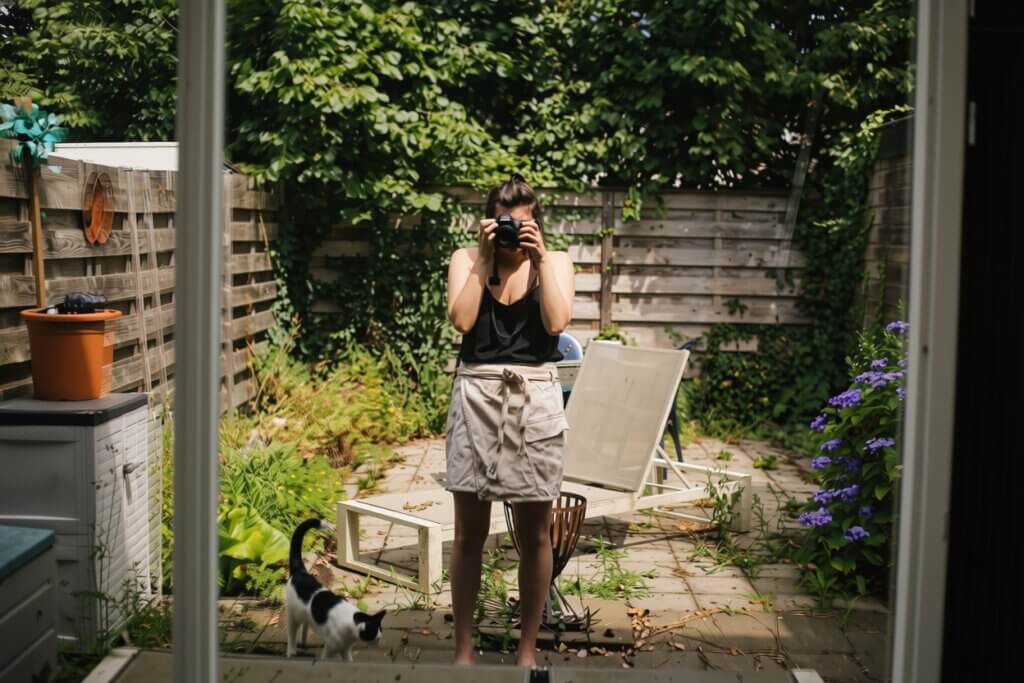
Lughnasadh feels like an appropriate moment to take stock. Imbolc is a time of beginnings, intentions and making space for new growth, while Lughnasadh marks the first harvest. This year, I find myself looking at the things I have been working toward and realising that some of them are beginning to take shape. Not always in the way I expected, and sometimes alongside circumstances I could never have planned for, but they are there. Perhaps that is what I need to remember about a harvest: it is not only about collecting what we deliberately planted. Sometimes it is about recognising what grew while we were busy tending to something else. There has been another little reminder of this throughout August. I had been complaining to a photographer friend about having a bit of photographer’s block, only to find myself getting booked for two photoshoots. Apparently, the harvest has its own sense of timing. 📷
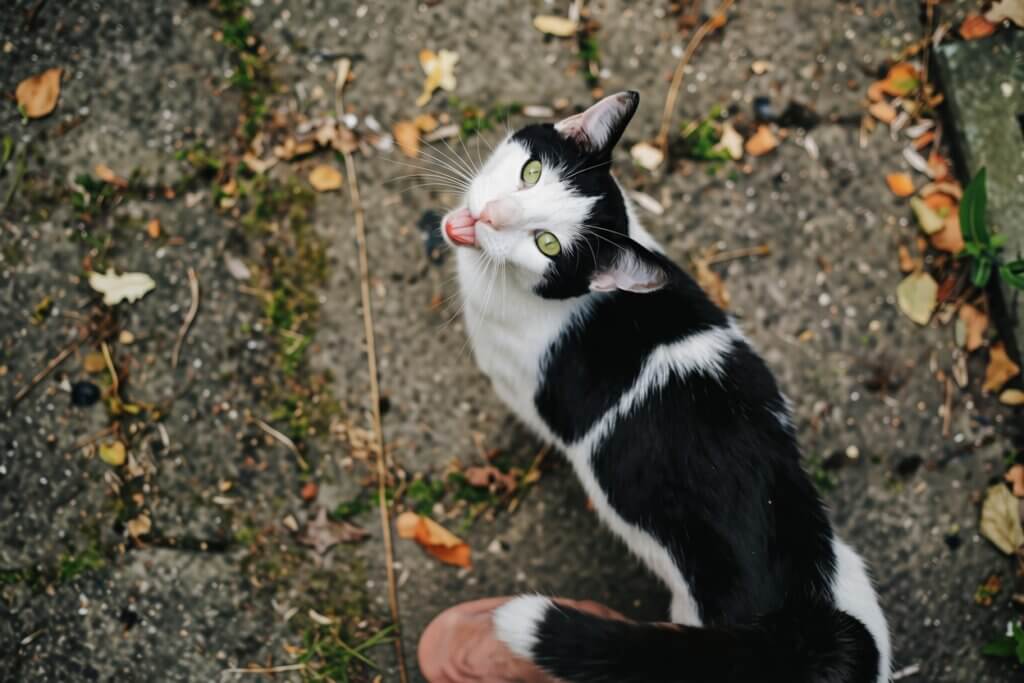
George26
The previous article was Light and Seasons, where I touched on the topic of circadian rhythms. It left me wondering what happens when that rhythm gets disturbed and you’re no longer able to sleep. That question became the starting point for our upcoming article on sleep and mental health. For this particular article, I read Matthew Walker’s Why We Sleep, which was published in 2017. 🌞
My brother Sacha, who studied neuropsychology, let me borrow a copy from his collection. I have been reading it for the past year, not in chronological order, and deciding which parts to use and which to leave out. In Walker’s own words, “Why do we sleep?” is the wrong question. It implies there is a single function, when sleep has many different roles in our health. For the next article, I focused specifically on what we know about the relationship between sleep and mental health. It will set the stage for sleeping rituals in the upcoming season. Just like food and the environment around us, sleep is an important part of caring for our health. And, somewhat ironically, I keep falling asleep while researching sleep. 😴